
PH-SynBio 020 · MANUFACTURER & SUPPLIER
Piroctone Olamine 99%
Piroctone Olamine Manufacturer & Supplier
Anti-dandruff & scalp-care ingredient · CAS 68890-66-4
PINHONBIO® is a manufacturer and supplier of ≥99% HPLC Piroctone Olamine for anti-dandruff shampoo and scalp-care formulation development, with a D50 specification of 30–50 μm and defined limits for nitrosamines, heavy metals and ethyl acetate.
- Purity · HPLC
- ≥99.0%
- Reference COA
- 99.99%
- Particle size · D50
- 30–50 μm
- Nitrosamines
- ≤50 ppb
- Ethanolamine
- 20–21%
- CAS
- 68890-66-4
For formulation evaluation. Request the specification and batch documentation with your enquiry.
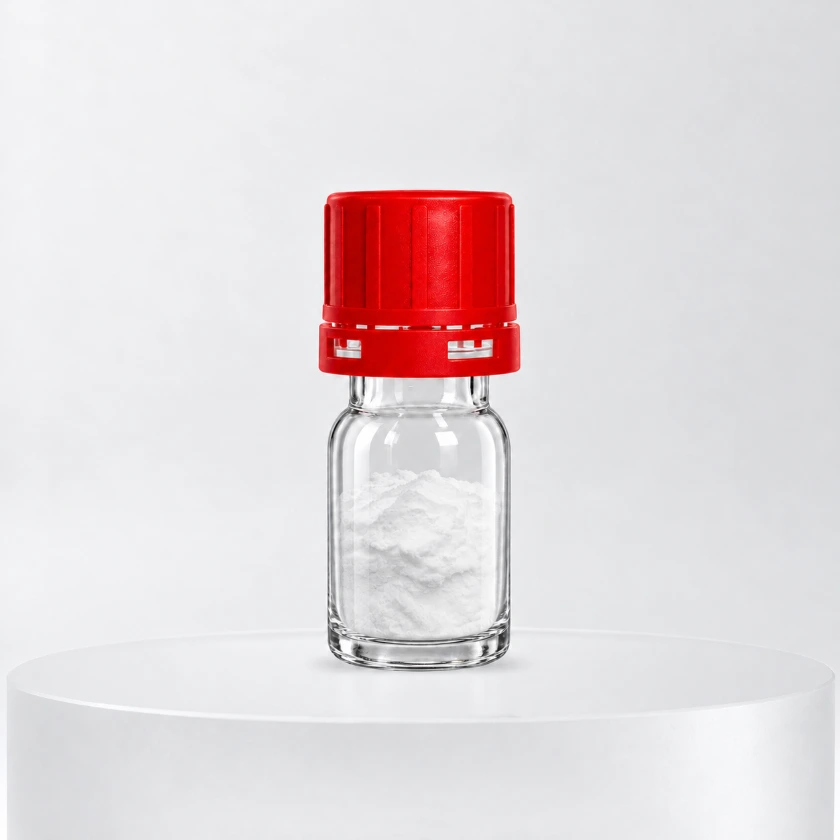
INGREDIENT IDENTITY
Defined chemistry. Documented quality.
- Product code
- PH-SynBio 020
- INCI name
- Piroctone Olamine
- CAS
- 68890-66-4
- EC number
- 272-574-2
- Chemical identity
- Piroctone monoethanolamine salt
- Molecular formula
- C16H30N2O3
- Molecular weight
- 298.42 g/mol
- Appearance · TDS
- White crystalline powder
- Storage
- Keep sealed at room temperature, protected from moisture and light.
- Shelf life
- 3 years under the stated storage conditions.
QUALITY SPECIFICATION
A specification, with one batch for comparison.
Requirements below come from the supplied technical documents. Reference results describe COA batch 20260311; they are not guaranteed future-batch values or a stock statement.
| Specification item | Requirement | Reference COA result |
|---|---|---|
| Appearance | White crystalline powder | Complies |
| Odour | Characteristic odour | Complies |
| Purity · HPLC | ≥99.0% | 99.99% |
| pH (1% in water, 20°C) | 8.5–10.0 | 9.66 |
| Melting point | 132.0–136.0°C | 134.0°C |
| Loss on drying | ≤0.30% | 0.06% |
| Ash | ≤0.20% | 0.10% |
| Particle size D(0.5) | 30–50 μm | 40 μm |
| Specific extinction, E 1% (1 cm), 317 nm, dried substance | 204–236 | 232 |
| Ethanolamine | 20.0–21.0% | 20.3% |
| Nitrosamine content | ≤50 ppb | <40 ppb |
| Heavy metals | ≤10 ppm | <8 ppm |
| Ethyl acetate | ≤500 ppm | <200 ppm |
Nitrosamine limits are stated in ppb; heavy metals and ethyl acetate in ppm. A reported threshold is not a “free from” claim. The pH and melting-point values are raw-material QC properties.
Document Center
All documentsTECHNICAL DOCUMENTS
Batch and supporting documents
Certificate of Analysis
Batch-specific requirements and reported analytical results.
Download the English files for the grade shown above. Request the corresponding batch COA or additional project documents separately.
Solubility & Formulation Compatibility
Use the supplied COA to interpret the quality-control tests, then qualify solubility in the actual cosmetic formula.
| COA test | Reported result | Interpretation |
|---|---|---|
| Water · 0.10 g in 10 mL | Not soluble; batch complies | A 1% w/v test loading; this does not mean zero water solubility. |
| Methanol · 1 g in 10 mL | Soluble; batch complies | Analytical specification test, not a recommendation to formulate cosmetics with methanol. |
For development, compare cosmetic-appropriate solvent or surfactant blends at the intended loading. Check clarity and crystal formation after dilution, cooling and storage. A clear premix does not establish stable dissolution in the finished base.
Applications & Formulation Guidance
Anti-dandruff shampoo is the primary development route, followed by scalp serums and scalp-directed conditioners. Use ingredient research to plan development, the supplied specification and COA to evaluate the material, and finished-formula testing to establish performance.
Anti-Dandruff Shampoo
Application Overview
For hair-care brands, OEM/ODM manufacturers and laboratories developing rinse-off products for visible scalp flakes. The surfactant system must both cleanse and deliver the ingredient during a short contact time.
Functional Benefits
Piroctone Olamine is studied for antifungal activity against Malassezia, a yeast associated with dandruff. Metal binding, including iron complexation, is a proposed contributor to its activity. This mechanism does not by itself predict a finished shampoo's effectiveness.
Evidence context. A 2024 laboratory study examined Piroctone Olamine/climbazole combinations at 0.1%/0.1% and 0.1%/0.5%. These are external in-vitro formula conditions, not PINHONBIO® dose recommendations or proof of clinical equivalence.
Formulation Considerations
- Screen the ingredient in the complete anionic, amphoteric or nonionic surfactant blend at the intended active matter, salt level and final dilution. A clear concentrate can become hazy or crystallize after dilution or cooling.
- Select the active loading and addition stage for the intended rinse-off formula. Verify dissolution, active recovery and stability in the complete base at the actual processing temperature.
- Assess viscosity, foam, conditioning-polymer interactions and deposition after rinsing. Include realistic contact time and wash frequency in efficacy work; chemical purity cannot establish scalp delivery.
- Follow active assay, crystals or sediment, clarity and viscosity through the planned storage programme and in the intended pack.
Regulatory Considerations
For EU preservative use, the rinse-off ceiling is 1.0%; this is a regulatory limit, not a recommended anti-dandruff dose. In the US, an anti-dandruff claim places a shampoo in the drug framework; Piroctone Olamine is not listed as an M032 active.
References: Evaluation of novel cosmetic shampoo formulations against Malassezia (2024) · Chemical Papers — ferric iron complexation and antifungal properties (2026) · EU Cosmetics Regulation — current consolidated text, Annex V entry 35 · FDA OTC Monograph M032
Scalp Serum & Tonic
Application Overview
For developers of scalp-directed, leave-on liquids and serums. A water-rich serum, a hydroalcoholic tonic and a gel present different solvent capacity, sensory and exposure requirements.
Functional Benefits
Leave-on formats are a route for studying sustained scalp exposure. Published work investigates antioxidant and scalp-condition endpoints; it does not establish that this raw-material grade grows hair or treats alopecia.
Evidence context. The separate hair-retention research summary below identifies the leave-on study concentration and design. It is a specific third-party formula, not an approved recipe for this grade.
Formulation Considerations
- Compare cosmetic-appropriate glycol, hydroalcoholic or solubilized vehicles and measure clarity at the target concentration. Account for evaporation after application, which may leave crystals even when the bottled product is clear.
- Evaluate scalp tolerability, tack, residue, scalp contact and compatibility with the pump or dropper. Keep the applied amount and frequency part of the safety assessment.
- Screen a compatible cosmetic polyol premix before aqueous incorporation. Qualify clarity, colour and active assay at the chosen formula pH, including after cooling, dilution and storage.
Regulatory Considerations
EU preservative use in other products is limited to 0.5%. US treatment, hair-growth and hair-loss-prevention claims require separate regulatory assessment; a leave-on format does not confer cosmetic eligibility.
References: Davis et al. — 8-week hair-retention study (2021) · Tang et al. — solvent systems and skin delivery (2024) · EU Cosmetics Regulation — current consolidated text, Annex V entry 35 · FDA OTC Monograph M032
Scalp Care Conditioner
Application Overview
For rinse-off scalp conditioners and conditioning masks designed to complement a scalp-care routine. Products applied only to hair lengths should not be assumed to deliver an effective scalp exposure.
Functional Benefits
Published antifungal research provides an ingredient rationale for scalp-directed development. Performance in a cationic conditioner still requires finished-formula testing and evidence of scalp exposure.
Evidence context. The supplied documentation does not establish clinical efficacy for a conditioner made with this grade. Assess the actual emulsion, use instructions and scalp contact before making performance claims.
Formulation Considerations
- Compare a compatible premix with direct addition at the proposed processing stage. Check cationic conditioners, fatty alcohols, polymers and fragrance compatibility, and verify active distribution in the finished emulsion.
- Compare the proposed addition stage with the actual emulsification and cool-down process. Verify final active recovery and distribution; melting point is not an allowable manufacturing-temperature specification.
- Check emulsion stability, viscosity, crystal formation and rinse behaviour. Demonstrate scalp delivery under the intended use instructions before making an anti-dandruff claim.
Regulatory Considerations
EU preservative limits follow whether the finished product is rinse-off or another product. US anti-dandruff claims trigger the same drug-classification issue as shampoo.
References: EU Cosmetics Regulation — current consolidated text, Annex V entry 35 · FDA OTC Monograph M032
Deodorant & Selected Personal Care
Application Overview
A secondary development route for deodorant roll-ons, sprays or cleansing systems, with odour-related endpoints assessed in the finished product.
Functional Benefits
For deodorant development, assess odour-related performance in the finished product. This grade is not established as an antiperspirant, a long-duration odour-control system or a complete preservation system.
Evidence context. No finished-product deodorant performance data for this supplied grade are presented here. Confirm the intended odour-control or preservation function with the appropriate finished-product tests.
Formulation Considerations
- Evaluate solubility and active distribution in the actual aqueous, alcoholic or emulsion chassis, together with fragrance, package and skin tolerability.
- Use finished-product odour testing for deodorant claims and preservative efficacy testing for a preservation function. Antifungal screening cannot replace either test.
Regulatory Considerations
Distinguish a US cosmetic deodorant claim from an antiperspirant or disease-treatment claim. EU preservative limits depend on product type and use.
References: FDA — Is it a cosmetic, a drug, or both? · EU Cosmetics Regulation — current consolidated text, Annex V entry 35
Dissolution, incorporation and stability.
1. Select the target system
Define rinse-off or leave-on use, market, claims, active loading and the complete solvent or surfactant blend. Regulatory maximum concentrations do not establish the effective or suitable dose in a particular formula.
2. Screen dissolution and dilution
Screen cosmetic-appropriate solvents and surfactant blends, then measure dissolution in the actual concentrate and finished base after dilution and cooling. The COA’s methanol test is analytical quality control, not a cosmetic-solvent recommendation.
3. Select an incorporation route
Compare a compatible premix with direct addition in the intended base. Select the addition stage and mixing conditions through laboratory trials, then verify active recovery, distribution and scale-up performance at the actual processing temperature.
4. Set pH and control metal contact
Select formula pH for the complete ingredient system and intended use. Monitor colour and active recovery, and assess water quality and equipment contact. The raw-material COA pH 9.66 at 1% in water, 20°C is a separate QC result, not a finished-formula pH target.
5. Verify the finished product
Measure active recovery, crystals or sediment, clarity, colour, viscosity, microbiological protection and package compatibility throughout the planned stability programme. Confirm at scale with the actual process and intended use.
Storage and finished-formula stability.
Keep the raw material sealed at room temperature and protected from moisture and light, following the supplied storage guidance. The documented three-year raw-material shelf life does not establish the shelf life of a finished product.
Dissolution after storage
Follow clarity, crystals or sediment after cooling, dilution and the planned storage conditions. Check the complete formula and intended active loading.
Active recovery
Use a suitable assay to confirm active recovery after incorporation and during storage. Initial recovery alone does not demonstrate long-term stability.
Colour and package compatibility
Assess light exposure, water quality, equipment contact and the intended package. Monitor colour alongside assay, viscosity and physical stability.
Scale-up and intended use
Repeat the relevant checks with the actual production process. Include microbiological protection and the safety and performance assessment for the finished product.
Plan a shampoo development trial.
Build the trial around the complete surfactant base and intended market, rather than copying another grade’s recipe. Record the active loading, addition stage, mixing conditions, final pH and packaging.
- Confirm the raw-material specification and the COA for the batch under evaluation.
- Screen dissolution and distribution in the complete base, including dilution and cooling.
- Measure active recovery, clarity, crystal formation, viscosity and colour after processing and throughout storage.
- Confirm microbiological protection, safety and the evidence needed for the intended claims before scale-up.
This is a development checklist. A validated formula, use level and processing window must be established for the actual finished product.
MARKET & CLAIMS
Match the intended use to the destination market.
European Union
Annex V, entry 35 of Regulation (EC) No 1223/2009 permits Piroctone Olamine and its free acid as preservatives up to 1.0% in rinse-off products and 0.5% in other products. These ceilings concern preservative use. They are not a general anti-dandruff recipe or a replacement for the finished-product safety assessment.
References: EU Cosmetics Regulation — current consolidated text, Annex V entry 35
United States
FDA classifies anti-dandruff shampoo as a drug and cosmetic. Piroctone Olamine is not an active listed in OTC Monograph M032. An anti-dandruff product needs an applicable lawful drug pathway; ingredient use in a cosmetic does not establish eligibility for a treatment claim.
References: FDA OTC Monograph M032 · FDA — Is it a cosmetic, a drug, or both?
Review the current requirements for each market, product category and intended claim before selecting the commercial formula.
INGREDIENT SELECTION
Compare the grade and the regulatory route.
| Material or system | Development distinction |
|---|---|
| Piroctone Olamine powder | Single-ingredient powder; qualify dissolution, active recovery and delivery in the chosen chassis. |
| Piroctone Olamine + climbazole | Published combination-shampoo screening cannot establish the performance of Piroctone Olamine alone. Each active and finished product needs its own market review. |
| Selenium sulfide | A different active with a US M032 listing. Its monograph status, dose and formulation instructions cannot be transferred to Piroctone Olamine. |
| Pre-dissolved, multi-ingredient liquid system | Compare active content and the full carrier composition, rather than equal raw-material addition. Carrier compatibility and processing conditions must be assessed separately from this powder grade. |
References: Evaluation of novel cosmetic shampoo formulations against Malassezia (2024) · FDA OTC Monograph M032
SUPPLEMENTARY RESEARCH
Scalp condition and hair-retention endpoints.
These studies concern third-party formulas or laboratory systems. They do not constitute clinical validation of the supplied PH-SynBio 020 raw-material grade.
Oily scalp & scalp microbiome
A 2026 open-label study followed 41 volunteers using a Piroctone Olamine shampoo three times weekly for 28 days. The shampoo had pH 5.5; its exact active concentration was not disclosed. Clinical and microbial changes were observed, but sebum increased and the quantitative desquamation index did not significantly change. Without a control group, the study cannot isolate the ingredient's effect or support an oil-reduction claim.
Evidence boundary. Use as exploratory finished-product evidence. Do not promise microbiome restoration or reduced sebum for this raw-material grade.
References: Markos et al. — oily dandruff and microbiome (2026)
Hair retention & shedding
A 2021 eight-week placebo-controlled investigation used 0.8% Piroctone Olamine shampoo four times weekly (144 completers) and a separate 0.45% split-scalp leave-on treatment (43 enrolled). It reported hair-retention endpoints in women with self-perceived thinning. These concentrations belong to the tested formulas, not to a general use-level recommendation.
Evidence boundary. This is external formula evidence, not a clinical test of this raw-material grade or proof of hair regrowth. It does not establish treatment of androgenetic alopecia.
References: Davis et al. — 8-week hair-retention study (2021)
Solvent choice changes delivery
Tang and colleagues measured saturated solubility at 32 ± 1°C after 48 hours, and studied 1% w/v solutions on excised human epidermis for 24 hours. Solvent blends changed skin delivery. These laboratory conditions are not processing instructions, finished-product concentrations or proof that greater penetration is desirable.
Evidence boundary. Use the work to justify vehicle screening and exposure assessment, rather than copying a solvent ratio into a commercial formula.
References: Tang et al. — solvent systems and skin delivery (2024)
BUYER QUESTIONS
Piroctone Olamine FAQ.
What does PINHONBIO® supply?
PH-SynBio 020 Piroctone Olamine is a white crystalline powder, CAS 68890-66-4, with ≥99.0% HPLC purity and D50 30–50 μm.
Is 99.99% the guaranteed purity?
The specification is ≥99.0% by HPLC. 99.99% is the result on the supplied reference COA, not a guaranteed result for every future batch.
Is it water soluble?
The COA reports non-solubility at 0.10 g in 10 mL water. This qualitative test does not mean zero water solubility. Screen dissolution in the intended cosmetic solvent and surfactant blend, including cooling and dilution.
Does a nitrosamine limit mean nitrosamine-free?
No. The specified limit is ≤50 ppb and the reference result is <40 ppb. A limit or reported threshold does not mean zero content.
Does the pH specification define the formula pH?
No. The 8.5–10.0 acceptance range and 9.66 batch result refer to the 1% raw-material-in-water QC test at 20°C. Select and validate the finished-formula pH for its complete composition and intended use.
How should use level and incorporation conditions be selected?
Screen pre-dissolution or uniform dispersion in a compatible solvent and surfactant blend before incorporation. Check for precipitation after dilution and cooling, then assess active recovery, stability and the claimed performance in the complete formula. Select the use level against applicable market requirements; melting range and raw-material QC pH are not processing limits.
Which documents can I request?
The available English TDS and SDS can be downloaded from the Documents section. Match the stated grade to your requirement. Request the corresponding batch COA and any additional project documents separately. Document Center →
Is the powder a ready-to-use liquid concentrate?
No. This grade is a crystalline powder. Liquid multi-ingredient Piroctone Olamine systems have different composition and incorporation behaviour.
MANUFACTURING & SUPPLY
PINHONBIO® Manufacturer & Supplier
PINHONBIO® is a cosmetic ingredient manufacturer and supplier. Our business combines upstream production partnerships, refining and purification, quality control, technical documentation, samples and commercial-scale supply. Product-specific grades and analytical results are stated on this page.
RELATED INGREDIENTS
Explore scalp-care development options.
PROJECT REQUEST
Ready to evaluate Piroctone Olamine?
Request a quotation, sample or technical documents. Include your quantity, destination market and intended shampoo or scalp-care application.